What We Really Want: Conversations About Connection
FOLLOW/SUBSCRIBE to download new episodes as they release!
If it's true that "...the opposite of addiction is not sobriety...the opposite of addiction is connection," there are lots of people who need to discover what true, healthy connection looks like. Whether the struggle is with addiction, toxic relationship dynamics, or something else, we've all tried to meet our needs in unhealthy ways. Way too often, the things we run to for comfort leave us feeling even more disconnected and alone than before.
Through conversations about the many ways we can connect, we offer an invitation to discover and move toward what we really want, so we can live the lives we were created for.
Awaken (awakenrecovery.com) helps men and women whose lives have been wrecked by unwanted/addictive sexual behaviors and sexual betrayal trauma. We hope the podcast will help not only those struggling sexually, but anyone who seeks healthier ways of finding connection.
What We Really Want: Conversations About Connection
57 | Juli Slattery: Longing To Be Known
Use Left/Right to seek, Home/End to jump to start or end. Hold shift to jump forward or backward.
"Send us a message! (questions, feedback, etc.)"
Our guest for Episode 57 is a recognized expert in biblical sexuality. Dr. Juli Slattery has decades of experience as a therapist, author, and founder of the organization Authentic Intimacy. For years she has been helping women and men move toward healing from painful experiences with sexual brokenness, and developing a healthy view of their sexuality.
Her podcast Java With Juli offers great, thought-provoking perspectives on sex and relationships, and her new book Surrendered Sexuality helps people better understand the significance and design of our God-given sexuality. In it she writes about how Jesus gave His life not primarily to change behavior, but to renew our identity—which is rooted in our union with Christ, not our wounds, feelings, desires, past or present sins, or purity. Embracing this will help us experience sexuality in the way God intended.
#julislattery #drjulislattery #javawithjuli #surrenderedsexuality #connection #counseling #spirituality #growth #change #therapy #healing #trauma #sexuality #sexualaddiction #betrayaltrauma #recovery #grace #gospel #transformation
Authentic Intimacy website
Java With Juli podcast
Surrendered Sexuality on Amazon
Awaken website
Roots Retreat Men's Intensive
Roots Retreat Women's Workshop
Awaken Men & Women's support meeting info (including virtual)
We don't need sex. We need intimacy. We need connection. We need to be known. We need to know we're not alone. And when we start getting to those deeper needs and calling them out, you know, that's when God begins to enter into the space of our wounds and our brokenness. He's not just telling us to fix ourselves.
AnnouncerWelcome to What We Really Want. Conversations about connection. Settle in and get ready for a great conversation. Let's talk about what we really want.
Intro to Juli Slattery conversation
GregHey everybody. Welcome back to What We Really Want. Today is episode 57. Our guest is Juli Slattery, and it's called Longing to Be Known. And I'm sitting in the studio with Stacey. Hey, sweetie.
StaceyHello.
GregIt's been a little bit since we talked to Juli. It's the second week of January, and we talked to her significantly before Christmas.
StaceyOkay.
GregAnd so we were kind of listening back through our conversation a little while ago, refreshing ourselves on exactly what we talked about. Juli is somebody that I think you actually, until recently, had had a lot more exposure to her. You knew more about her just from some of the podcasts and books and stuff like that.
StaceyYeah. Her podcasts have been really helpful.
GregJava with Juli.
StaceyJava with Juli and just all kinds of topics on healthy sexuality. And I've referred her podcast to so many people.
GregJuli has several books. The newest book that she has that released in 2025 is called Surrendered Sexuality. And something that was interesting to me about our conversation, a lot of the time in our world and even in conversations on this show, we're talking about sexual struggles that people have more from the perspective of our histories of trauma and abuse and some of the emotional and psychological things that contribute to broken sexuality, broken sexual experiences, addiction, betrayal trauma. And sometimes we don't necessarily talk a lot about the spiritual side of it because so many people have been hurt by that.
StaceyYeah.
GregBut what we can't neglect is that sexuality and spirituality are inextricably linked. Because, you know, for a believer, we see from the Bible that our sexual relationship with our spouse is a picture of our relationship with Jesus. And so we're meant to see something spiritual in the sexual. And when that conversation is done from a trauma-informed and a caring and a gracious and a sensitive and a responsible way, it can be really, really helpful. I kind of felt like that's what this one was. Yeah.
StaceyYeah. I think it's, I'll speak for myself. Growing up, there was this is why you shouldn't do it. It was very what's the word?
GregJust black and white, cut and dry, yeah. Behavior-based.
StaceyYeah.
GregAnd that's It was all about the what and not about the weight.
StaceyNot about the why. And it's like, for me, I think I was uncomfortable that a person had done something and I didn't know what to do with them. So it was like confess and get back to doing your living for God or whatever. And there's so much more to that. That's what I've noticed a lot of people that talk to me. What's been so hard for them is hearing from people that are just dismissive, I guess, of their pain because they want them to just get back to whatever normal is.
GregPeople who have their pain dismissed by others or get so overwhelmed by their pain that they think, well, unless I can get this kind of a relationship where I can express myself sexually, or if even if I have that, unless I can get that the way that I want it, I can't be okay. Right. And one of the things that Juli is saying in her book is that whether you're married, whether you're single, sex is never going to be everything that we need. It's never going to be the source of our fulfillment. If sex doesn't point us to something that's going to connect us more deeply with God, then we're missing out on what the design was. So it was really helpful in introducing some good perspective. Again, whether you're married or single, I think that if we have come to the point, or maybe you're coming to a point where we realize that the way I'm looking at sex is maybe putting too many expectations on it to make me okay.
StaceyAnd I love how she talked about with specifically with like church leaders, because a lot of people are in the church and they may go to their pastors with different issues, and the pastors do not know how to handle it. Like it's not a harsh criticism. It's it's a reality. And they shouldn't have to know everything. But when these things come up, you know, talk to people who do know, and we can all work together.
GregSo there's a great conversation. It's called Longing to Be Known because that's the thing that Juli said is really underneath a lot of the things that we pursue sexually, is we're not in search of the next great climax. Because if that's what we were looking for, then people who are sexually addicted would be totally satisfied all the time. And we know that's not the case. We're really longing to be known by more than just a sex partner. We're really longing to be known by God. This is episode 57. It's called Longing to Be Known. Our guest is Dr. Juli Slattery, and the conversation starts right now. Juli
Getting to know Juli
GregSlattery, we're so excited to talk to you today. Thanks for being on What We Really Want.
Juli SlatteryYeah, thanks so much for having me.
GregWe have known about you and been familiar with your name, have listened to Java with Juli, all the above for several years just because of the intersection of what you do and what we do. And it's really great to get a chance to talk to you and talk to you live today. So we appreciate you carving out some time. Really looking forward to it. Me too. Well, Juli, we're curious to know what do you really want out of our conversation that we're getting ready to have.
Juli SlatteryOh man, I I would just really like for the Lord to lead wherever he wants us to go. And for you who are listening to just be encouraged and maybe to be a little challenged on how you've thought about sex in the past and maybe the integration of your faith and your relationship with God with the topic of sexuality. So anywhere that goes, that will make me happy.
GregJuli, tell our listeners more about yourself, your family, how you came to be where you are now. I know some of our listeners will already be familiar with you, but for the ones who aren't, help us to get to know you a little bit.
Juli SlatteryI have been married to my husband Mike for 31 years, and we have three adult children. We live in Akron, Ohio. Uh so we are getting cold right now. Yes. Lamenting the end of summer. And professionally, I went right through school with a desire to be a psychologist that focused a lot on like marriage, family issues, women's issues from a Christian perspective. That has always been my heart and was more of a generalist in that field for several decades until 2012 when I started a ministry called Authentic Intimacy. And we a hundred percent all day long focus on the biblical integration of sexuality with faith. So tackle all kinds of issues, whether it's parenting or marriage, or as you all do in your ministry, betrayal covery and pornography and all the all those things that complicate our sexuality. So that's where my heart is and where God has called me in this space of ministry. That's awesome.
GregI noticed on Authentic Intimacy's website, one of the things you say about yourself is about a decade ago, and you just now said 2012, I sensed the Lord calling me to specifically focus on sexuality. Everywhere I looked, yeah, I saw a sexual pain and confusion that the church didn't seem to be addressing. And so, in the time that you had been a therapist up to that point, what were some of the specific things that you had noticed most often or most widely that were not being addressed among Christians?
Stories of Church wounds about sex
Juli SlatteryYeah. So it was my experience as a therapist and then also in more holistic ministry. I worked at Focus on the Family for four years. So a lot of church and parachurch ministry as well. Hearing stories, for example, of somebody who went to their pastor and said, you know, I have sexual abuse in my past. And the pastor really just sort of saying, I'm sorry, that's sad, you know, that's in the past, move on, you'll be fine.
StaceyRight.
Juli SlatteryOr a story of a couple who is struggling with pornography and brings it to the church, and the church again says, Well, we pray for you. God doesn't want you to sin. Or even a wife hearing, you know, like the problem is you're not giving your husband sex enough. And if you were more engaging sexually, you could solve the problem. Hearing sermons that kind of emphasize those narratives, the purity culture and the fallout of that with just some simplistic teaching around just say no before you get married, and then when you have when you get married, sex will be great, and lots of stories of just sexual brokenness that isn't acknowledged that people don't know where to go with. So boy, I could just I could tell you story after story of well-meaning people who respond to ministry questions about sexuality with a Bible verse or kind of with a simplistic piece of advice that doesn't get to the heart of what's really happening.
GregYeah. And I'm I often wonder, and we've had multiple conversations on different episodes of this show with people saying very similar things, almost identical things to what you've noticed. Because I mean, if you're really paying close attention to trying to help people heal from their sexual abuse or their sexual trauma stories, you're gonna hear commonalities that these are the things that they heard in church, or these are the things that they heard in their family of origin. This is something that a trusted Christian leader said to them that just when you hear it, it's so tone-deaf and uninformed. And I guess the question that I'd have for you out of your experience, both working in private practice and then in a nonprofit role and and working with organizations like Focus, why I know this is a very big, broad question, but if you could distill it down to some of the reasons why people would perpetuate messages like that that if you just look a little bit under the surface, you could see are so unhelpful. Why is that does that still happen as often and widespread as it does?
Juli SlatteryYeah, I I think there's a couple key reasons why. Number one is sexuality is just such a spiritual battlefield that I don't think we can underestimate how much Satan loves to encourage silence on these issues and confuse us about our sexuality. I think another piece of it is it's just really messy. When you start getting into people's real stories around sexuality, you're going to find questions about God, about his goodness that make us really uncomfortable. Like who hasn't experienced sexual trauma and not asked the question, why would God allow that? Where was he?
StaceyRight.
Juli SlatteryYou know, why doesn't he stop sexual exploitation and sex trafficking? How would he allow a pastor to be in leadership for decades while that pastor is abusing people? Like we get very uncomfortable with those questions. Why would God give me sexual drives and desires and then not let me fulfill those because I'm not married or because I'm same sexual attracted? And these these questions are so complex and deep and get to such the core of who we are and what we believe about God that I know I felt this way when I first started in this ministry. There's this sneaking fear that somebody's gonna ask a question that you can't answer and it's gonna dismantle your faith. So, you know, like wow, that's just too big. So I think that's some of it. And then I think a third reason that makes us really uncomfortable to talk about is Christian leaders have their own sexual brokenness, their own secrets, their own questions that they don't know where to go for help. And so that makes them more uncomfortable to open up a conversation or dialogue within their ministry, not knowing where it could lead. So it's a lot easier just to say the Bible says don't do this, like this is sin. Let's just stop doing it and let's move on to the next topic.
GregYeah. And on that last point, we also, as the church body, don't do a very good job of having human-sized expectations of our leaders. You know, the the pedestalization is just so harmful for everybody. And I'm not saying that the Bible doesn't say something about ways to steward that kind of pastoral leadership, but there's a difference between having some practical expectations that are connected to the job, but also expecting kind of having that morph into this expectation of superhuman status, you know, super Christian status and un you know, too big to fail. And so, yeah, I think it's it's really important to highlight all the points that you made, but particularly that last one. What would it look like if pastors were free to say, yeah, I get it. You know, that's been a struggle of mine too, and maybe more recently than you would than you would think.
StaceyAnd I didn't hear, I don't remember hearing harmful things, although don't have sex, don't have sex, don't have sex and until you're married was its own harm. Its own harm. But it was the silence. I didn't have anybody guiding me or teaching me anything that my own body was beautiful the way God created it was beautiful, the way I would respond, even when we were dating and acting more physical than we should, but just the butt my body responding was what in my mind I felt shame that it was even having those feelings because they weren't supposed to happen outside of marriage. And I just didn't know. So yeah, it was the the silence that was harmful too.
Juli SlatteryYeah, that's huge. You know, when there's silence, we replace what what could be spoken with shame and with negative thoughts,
Leaders can learn to help and not harm
Juli Slatteryand and we really don't have any role models for how to talk about this in Christian spaces. And so, you know, I don't want to just like be critical of church leaders and pastors. They don't have any modeling. Yeah. Um, so when I do training for pastors and church leaders, sometimes I'll ask them, you know, in a large group, how many of you have had more than one class on biblical sexuality? And I can be in a room of a hundred pastors and not one of them will raise their hand. Right.
GregThey all had a marriage in the family class, right?
Juli SlatteryYeah. Yep. And so we're expecting them to be equipped but not equipping them. And they can't be like, oh yeah, like the pastor who was here before me, this is how he handled those issues. There's there's been a history of silence. And so I think Christian leaders feel like they're kind of all kind of forging new paths and trying to figure this out.
GregI want in a few minutes for us to get to your most recent book that came out earlier this year called Surrendered Sexuality. That's been out, what, about six months at the time we're recording this? That's about right. And this is a quick read, but it says an awful lot. And I want us to talk about what is what does surrendered sexuality look like? Because you you talk about different categories of our lives, different parts of our lives that we're called to surrender to God that are all connected to our sexuality. Before we get to that, I just want to name something that's true almost universally for Christians and their sexuality. That's wow, like by the time we start paying attention to this, there's already been a lot of damage and a lot of distortion. You know, Christian men and women, I think it's fair to say both
Unhealthy stories about our sexuality
Gregstruggle to have a healthy relationship with sex, but sometimes I think the reasons aren't exactly the same. I mean, men almost universally have had our picture of sexuality distorted by early sexualization and pornography, often sexual abuse. Sexual abuse among boys is very much on the rise, at least in how much it's reported and probably how much it's happening. You know, women's sexuality has been distorted by abuse, messages about body image and wrong messages about women and sex, and especially within the church. And then couples' sex lives together is distorted by infidelity, by porn, by sexual history. And I think that we're coming to a point where we're able to better understand what's gone wrong because more of us are talking about it now, what has led to the problems that we're having. But my question for you, my very long lead up to this question is how do we start to move back toward how things were supposed to be, especially if you've never experienced things the way that they were meant to be?
Juli SlatteryYeah, boy, I think first of all, we don't have a very good picture for what things are supposed to be like. Yeah, you know, if you ask, yeah, I mean, I think if you like I grew up in the church, I grew up in Christian culture, and I had a very limited view of why God created sex and what our sexuality was supposed to look like, other than don't have it outside of marriage, and when you get married, it's gonna be great. And it's gonna be this thing that you get to share with your spouse. And so I think even our picture of why God created us as sexual people and what sexual wholeness looks like is so limited. We can say, okay, I know I have wounds, I have shame, but I don't know what I'm moving toward. And I think that's a big pitfall often in recovery ministry, is the goal is to get rid of porn. The goal is to get rid of the sexual acting out. The goal isn't to begin to enter into sexual wholeness. For a lot of people who are going through recovery, and so we're aiming too low.
GregIs that what you're saying?
Juli SlatteryOh, a hundred percent. Yeah, but they don't know where else to aim. So it's like, how do we get rid of sin? And if we really understand the fullness of how God created us to be sexually, we recognize that every single one of us is profoundly sexually broken. And you can't have the goal to just manage sin. You have to have the goal to recognize how we've been broken and what it looks like to pursue wholeness. And that is a game changer for couples who are going through recovery or or even church leaders to say, I'm not trying to fix somebody else. Together, we need to become aware of how Satan has messed with our understanding of sexuality. We need to look at the scripture to see what sexual wholeness actually looks like. And then we need to be on a journey of pursuing that, like from cradle to grave. It's not just let's get you fixed and then move on. So it's really like expanding our horizons from a few verses in scripture that talk about sex to looking at Genesis to revelation. What do we actually see that God is revealing through our sexuality?
GregWhich is gonna require us to talk about it more.
Juli SlatteryYes, definitely. Yeah, but I but I think talking about it, not in terms of just we're gonna sit down. To have a conversation about sex. But here's another piece of it is it should be integrated into all of what it is to know God as our creator, all of what it is for us to know Him as our savior and redeemer, and all of what it looks like for us to be disciples. And so these should not be one-off conversations, but I mean, in my opinion, like almost every sermon or every teaching should have an element of how does this, how does this change the way or challenge the way we view sexuality, intimacy, male and female? It's an integrative approach because that's how scripture approaches it.
GregSo you wrote a book. I mean, you've written more than one book, but the most recent one that you've written is called Surrendered Sexuality. And even just
Surrendered Sexuality: the concept
Grega question that you ask that comes up a lot, you voiced it a few minutes ago. You know, why would God let me have all these desires and then tell me it's not okay to act on them? Wow. I mean, if I had a dollar for every time somebody has asked that question, and it's a good question. It is. And so one of the things that you say very early in the book is you say, I care about your sexuality because I care about your relationship with God. And I've learned that they will always be linked. Our sexual wounds, questions, and longings tap into our wrestling with God. Is he good? Is he trustworthy? Does he see me? To ignore your sexual wounds, step over your sexual pain, or dismiss your sexual questions will eventually tear away at your love and commitment to the Lord Jesus Christ. And I really don't want that to happen. But when you when you look at some of those core questions, is he good? Is he trustworthy? Does he see me? Those are questions that can show up with any topic, but a lot of times I don't feel like they are linked to questions about sex.
Juli SlatteryYeah, I mean, I I see them all the time. So, you know, like your story you shared with me a little bit before we started that you guys have been in recovery for 17 years. You know, like in the process of recovery, even before that, my guess would be you had a lot, both of you had a lot of lingering questions or even barriers between you and God. You know, a barrier of shame. You know, like, why can't I stop doing this? If I were really a Christian, if God were really with me, the Holy Spirit were really inside me, I would have victory over this sin. You know, like Stacey, you might, when you discovered this, you might have been asking, like, how could a good God have let me be deceived like this? Like I did everything right, you know, like it's and it's these are so common. These are common questions that people wrestle with around sexual issues. And what I found is really important is often we want to talk about the sexual issue and ignore the deeper spiritual issue this represents, which is where the spiritual battle is.
StaceyYeah.
Juli SlatteryYou know, I I don't think God just or I don't think that Satan just wants to keep us addicted to porn. He wants something to be a stronghold in your life so that you can't have real fellowship with God. And he doesn't care what it is, he doesn't care if it's porn or if it's pride or if it's fear. And so sexuality often represents those kinds of issues in our life that keep us from really trusting the goodness of God and knowing fellowship with Him. That's so true.
StaceyYou know, when you said that about what Satan wants, I think when we got into recovery and you were doing the work and you've been sober. I think Satan went has gone after other parts of our marriage, of course, and sex is is one of those, but because it's been really hard for me, you know, to recover from all of that and just what I know went on before I knew everything. And so yeah, I think he does just does not want us to be well. And I've I've seen that. Like he's gonna do his best if he can mess with me, or you know, that'll cause conflict between the two of us. And so I have definitely, definitely seen that. Yeah.
GregWell, I I don't think it's accidental that, you know, addiction is described as cunning, baffling, and powerful. And that same description could be attributed to Satan because it goes all the way back to Genesis in in the Garden of Eden. He was crafty. And and so, yeah, the these messages of you need this, God is not good, God's not can't be trusted to give you what you need. And so it's up to you to provide for yourself. I mean, that's kind of a core belief that when we peel back the layers and look at our backstories, it makes sense how we started functioning that way. Sometimes it's hard to realize that, man, I grew up my whole life in the church. How have I had such a twisted view of God? Well, I've been around other people who had twisted views of God.
Juli SlatteryYeah. Or are people who didn't create the space to ask the hard questions. Yeah. So, you know, I think that's why people so often grow as much as they do in recovery, whether it's recovery from sexual addiction or alcohol addiction, like some of the deepest Christians you're ever going to meet are people who've been through recovery because they've been forced to look at themselves, to verbalize the lingering questions, and they have a safe place to be honest. And very few of us experience that in normal church community. We just kind of brush over the hard questions because we don't want to sit in the dissonance or the anxiety of wow, you just put that on the table. Like you just asked that, and none of us know what to say. Well, you just said something.
GregYou just said something I think is really sad when you say that people in recovery have found a safe place to be honest, and many people have not found that in their churches. I know that one of the things that that we can do is to try to be there to support ministry leaders to help them be better equipped, because you mentioned earlier how few of them have had adequate training to understand, you know, and show up trauma-informed and all of that. But I think also one of the ways that we make church a safe place is by people who have experienced this brokenness, but then this healing and recovery to not give up on the church and to stick around and be part of how we make it a safer place by by going in there and going first, right?
Juli SlatteryOh, a hundred percent. Yeah. I mean, whether that's sharing your testimony publicly or if it's creating small group spaces, yeah, people are longing for that. Like they're longing to be known and just the way the American church is, it's often hard to to find those spaces where that can happen. And so you're right, the people who have experienced that have the opportunity to bring that into the communities where they are.
StaceyWell, and I think for for me, and I'm sure a lot of other people walking through this, like those answers that I had all growing up that were quote unquote simple, you know, just trust God more or have more faith or your quiet. What are your quiet times looking like? What's your prayer life like? None of that worked. Like those answers were not gonna get me through. I just it wasn't gonna get me through.
GregAnd so what do we say sometimes not inaccurate but inadequate?
StaceyYes, yes. And so I think that I mean, hitting that rock bottom for me was what has gotten me to this place. And, you know, prior to I had a lot of problems. I had and I knew it. Um, you know, I have a temper and I knew I was putting him on a pedestal and you know, all kinds of idolatry. But this just knocked me out. Yeah.
GregWell, Juli, I want to talk about your book. You have eight chapters, and the first one just asked the question, what is surrendered sexuality?
Surrendered Sexuality: talking about the book
GregBut then the next seven talk about different experiences that we have as people, different parts of ourselves that that you're suggesting we're going to better understand God and ourselves and our sexuality if we learn what it means to surrender those parts. And those parts include surrendered identity, thinking, sin, brokenness, idols, wisdom, and then finally being surrendered to love. And so I I know that we're not in a single conversation going to get into the nuances of everything that you talk about in the book, but would just love to hear you talk about what was your motivation to write this book now.
Juli SlatteryYeah, this book was really wanting to provide people a discipleship pathway because unless you've been in recovery, which you have, most people haven't heard these things related to their sexuality.
GregYes.
Juli SlatterySo, like the very simple fact that most Americans would say, My sexuality belongs to me, my body belongs to me, I should be able to do what I want. That actually is unbiblical because the scripture tells us in 1 Corinthians 6 that you don't belong to yourself, you're bought with a price. Therefore, glorify God with your body. And so I feel like there's this disconnect with most of us as Christians, with the worship we offer the Lord on Sunday and even our devotions that we might do throughout the week, and really asking the question have I compartmentalized my sexuality in such a way that I limit God's access to that whole area of my life? And we we live compartmentalized life, whether it's the individual who loves God but is looking at porn, or it's the the spouse who is withholding sex because she's angry, or if it's because, you know, we've kind of bought into the world's thinking that the world has a better view of sex and justice and love than the Bible does. You know, I think that kind of covers all of us right there, and we could keep going. But there's there's an element to which we can be a hundred percent sold out to Jesus in a lot of areas of our life, but we don't know what that looks like when we get real about what's happening in our sexuality. And so it's one thing to say, like, God cares about this area of your life, He wants to bring wholeness and healing. But I think what people often lack is, well, how do I even begin to do that?
GregWell, and what's going to happen to me if I do? Because I'm I'm thinking about the first Corinthians verse that you shared. Therefore, you'll glorify God, honor God with your body. And then Paul also wrote in Romans 12 to offer our bodies to God as a living sacrifice. And by the time Christians get to the point where they read those scriptures and they they think about them as it relates to their sexuality, they've already learned a thing or two or 50 about sex and often from unhelpful sources. And their introduction to sex has been outside of the design that God had, but it's also been very pleasurable.
StaceyYeah.
GregAnd so now I guess my question is this I have a sense that when young or less mature Christians will read passages that talk about surrendering our bodies to God, we think more about what we're going to lose than about what we could could potentially get, especially as it relates to pleasure. Do you do you run into that a lot?
Juli SlatteryOh, yeah, for sure. But I think here's what we need to understand. The Bible doesn't start with those passages. Right. Nor did Paul start with that in 1 Corinthians or in Romans. We got way into the books, into the letters before Paul addressed those issues. And that's why the subtitle of this book is How Knowing Jesus Changes Everything. You know, I think part of the problem is that we try to fix our sexuality as Christians out of a spirit of self-discipline or out of a spirit of shame. Like I know I should be doing a better job at this. I know how sinful I am, but I just have this battle with my desires and my brain chemistry and my history. But we skip the step that the scripture talks way more about, which is what does it really look like to know God in such a way that it transforms your life? If you don't have that transformative encounter and relationship with God, you cannot do what the scripture calls you to do. Because the answer isn't trying harder or becoming more convicted or shameful. The answer is knowing God in such a way that you're learning that He is trustworthy, that you can trust Him with your wounds, you can trust Him with your secrets, that you can trust Him with your desires. And I can't tell you that you have to experience God in such a way that you're like, all right, God, I see what you did right there when I took that step of faith. And I'm beginning to believe that you really do love me and that you really have forgiven me, and that your plan for me actually is better than the pleasure that I'm chasing. And until people have that discipleship journey where they're really encountering God, not just how they should live, but they're encountering the living God, it is an unattainable goal to try to live a holy life.
GregOne of the things that you say in the book is that God requires our surrender, not because of what he wants to take from us, but what he so desires to give. And so I'm I'm aware of the fact that in this conversation, there are three people and all of us are married. And so in our lives, there exists a context in which we are permitted and encouraged to enjoy sexual expression. And so for people who are listening who are single and don't know if that's a relationship that God is ever going to lead them into.
StaceyYeah.
GregI I think it's a pretty fair question to say, well, easy for you guys to say, because you get to do it. You know, but what is it that he's wanting to give me if potentially, let's say I'm called a vocational singleness?
StaceyYeah.
GregThat seems like I'm giving up a lot more than I'm getting. What would you say specifically? Because you talked about God's plan. And I think that one of the things that maybe is not as helpful is if we just leave it there, like God's nebulous plan. But what what are some of the things that you're hoping that in this book people are going to be able to envision as far as God's plan for their life with him and their sexuality?
Juli SlatteryOkay, so this requires us to know the context of, again, the things that Paul wrote in scripture about singleness and about marriage. You know, like in 1 Corinthians 7 and other places that he's written this. And let me tease out a few of these things. Number one, Paul says in Ephesians chapter 5 that marriage, including the one-flesh relationship between a husband and wife, is a metaphor of Christ's relationship with the church. We also know that marriage isn't eternal, that it's an earthbound human relationship. And what is the purpose of that earthbound human relationship? It's to reveal the way that God loves his covenant people. It's to teach us about something called covenant love. And so every single one of us were we were born single, and we will be single when we die. Marriage is a parenthesis, it's not our final state. And it is the parentheses that's supposed to be a metaphor, a human experience that points to something more significant. For example, like all of us get hungry and thirsty every day. Okay. I don't think we're going to be hungry and thirsty in heaven, but we have the experience of being hungry and thirsty because it's such a powerful metaphor that the scripture continually uses about our substance is coming from God. Like God, Jesus Himself says, I am the living water. If you drink of me, you'll never be thirsty again. Or I am the bread of life. And so we have physical experiences that are temporary and earthbound in order to help us understand spiritual truths. So both the single and the married Christian need to understand marriage and sex from that framework. And I think one of the problems in the American church is we have made marriage the goal and a good marriage the goal instead of recognizing that you guys are not always going to be married. One of you is going to leave the other and your life will not end. And the things God wants to teach you will not end. You were you're supposed to be learning as a married couple, as a single, as a single Christian, as a widowed or divorced Christian, that we were made for covenant love, like an enduring love. So we need to be talking about that more. Now, the second thing I'll say in reference to this in 1 Corinthians chapter 7 is Paul says, and I'm going to paraphrase marriage has its gifts and its heartaches, and singleness has its gifts and heartaches. So we got three married people on this call, and I'll answer the question, but I want you to answer it first. Has your sex life been the source of great joy, great pain, or both? Both. Okay. Yeah. And I would say the same thing as a as a married woman. And it's not that the joy has outweighed the pain, like there's been a lot of pain too. Our deepest longings are not usually met in our sexual relationship. And is singleness a source of great joy or great pain or both?
StaceyYeah.
Juli SlatteryAnd you know, a single Christian could say, well, both. Like there's things that I get to enjoy in life that my married friends don't. And there's deep losses and regrets that I don't get to experience that my married friends do.
GregEspecially as I see all of my friends who were single with me getting married and I'm not.
Juli SlatteryYes. Yeah. But but if you talk to your married friends and you ask them what their sex life is really like and what it is to negotiate towards a healthy sex life in marriage, and all the ways that you have to deny yourself and learn to love the other person, they're your married friends are really doing the same thing you're doing, denying yourself for the sake of love and for maturity. And it has a different expression in marriage, but it's the same characteristic. And so those are some of the reframes that, again, the American church has not done well that help us understand the larger vision of what God calls us to in terms of our sexuality and our relationships.
GregAnd one of the things that I hope am hopeful that the church, in whatever location people are listening from, most of our listeners are in America, but not all, will seek to continue doing a better job of is letting people struggle through the things that you're talking about. Because I can think of two responses or reactions to what you've been saying the last few minutes, Juli, that I think neither of which would be necessarily helpful or best for the listener. One is to say, oh, well, Juli says that so eloquently. And I mean, she's citing scripture, so it must be true. So I just need to, okay, I just need to fall in line. Okay, I just need to quit complaining. Great. You know, everything's perfect. And then, and the other one is to just say, well, easy for her to say, you know, because she doesn't know my life and and it's just so hard and it's not fair. And and I just I just want to name that for our listeners to say that let yourself be aware. Of the resistance that comes up for you when you're hearing us talk about things like this. Because, man, like you said, we have grown up getting messages, getting hammered with messages from the church and from the world, that the be-all end-all is to find your person and to find your sex partner because that is the apex of human relational existence. And I think those messages are just as prominent in the church as they are in the world. Maybe maybe communicated differently. But just to know that in order to, in order to experience what you've been talking about, that's going to involve the untying of a pretty substantial knot that most people carry. Right. And I s I I would encourage people to just be compassionate with yourself if you struggle to find to it to immediately find comfort in the things that you're you're talking about in this book, but just stick with it.
Juli SlatteryYeah. Yeah. It's not necessarily about always finding comfort. It's about, I mean, finding true peace means we have to we have to find truth. And that means dismantling paradigms that we've just lived with. We've got to we've got to challenge them. Like, where in scripture do you ever see it say that the apex of human flourishing is when you find the person you were meant to be with?
GregRight.
Juli SlatteryLike that's it's such a Western culture narrative.
GregIt is.
Juli SlatteryThe disciple, like the disciples, how many of them were married?
StaceyYeah.
Juli SlatteryWe know Peter was just because it mentions a mother-in-law, but we don't know if any of them were married because it wasn't the most important thing about them. And so we focus so much on marital status being the most important thing about you and the thing that's going to fulfill you. And you're absolutely right that don't take my word for it. Go back to scripture, read cover to cover, and engage in discipleship and some of these deeper conversations so that we can really begin to see like what lies do we believe that feed our discontent and feed our questions about the goodness of God.
GregAnd compelling lies that make absolute sense why we would believe them. Because if you're you're talking about biblical authority, and as a Christian who believes that the Bible is the Word of God and that it is authoritative in our life, I think that we would say, yes, I agree with that. I believe that. And yet the same person introduced to sexuality way too early, and they've been regulating their emotion through masturbation since they were 10 years old. There's scriptural authority, and then there's the authority of how it feels when I have an orgasm. And that feels pretty dang powerful. And that sometimes feels like I'm being cared for more than I feel like God is caring for me when I read the Bible. And I'm not saying that's true, but gosh, our feelings are so powerful. And of course, our feelings can be brought into alignment with God's truth. But when they're not, of course, some people are going to lean towards preferring their feelings rather than something that's going to cause them to surrender or deny themselves in the moment.
Juli SlatteryWell, here's the thing sexual sin or sin of any kind is an illegitimate way to meet a legitimate need. Yes. And so instead of just saying stop masturbating, I would encourage you to say, What am I using this for? Like, what do I really need? Because you don't really need an orgasm. What you really are seeking in the in the example you used is how do I comfort myself?
StaceyYeah.
Juli SlatteryYou know, like how do I manage stress? How do I manage my loneliness? And we have to understand that most of the ways that we're using sex, we're using it to meet other needs that are deeper, even within marriage. You know, it's like we don't need sex, we need intimacy, we need connection, we need to be known, we need to be seen, we need to be held, we need to know we're not alone. And when we start getting to those deeper needs and calling them out and say, okay, well, what does scripture actually say about those needs, not just my sin, but where is God in my depression? Where's God in my trauma? Where's God in my stress? Where is he in my isolation and loneliness? You know, that's when God begins to enter into the space of our wounds and our brokenness, not just tell he's not just telling us to fix ourselves.
StaceyAnd I think feeling the full range of emotions that come up when we do that is important. Cause I know for me it was yeah, oh, you can't be angry, or or it has to be like perfect anger. Yeah, who does that?
GregOr you know, well, your messy anger towards me in those early days made some other people feel very uncomfortable.
StaceyOh, yeah, it did. But I mean, I had to express it to get it out, or else it would fester, you know. But I think learning over the years that there aren't bad emotions, there some of them are uncomfortable, but they're all good emotions that are, you know, important to work through. And you can have like I remember being so angry that this happened at him, and then eventually I got mad at God. I didn't, I didn't, I don't think I knew I could get angry at God. It's like, oh, you just can't do that. He has a plan. But then I did get angry, but it was both. And it's like I'm pouring out and I'm mad, and I'm like, but I but I I believe that you're there and that you have a plan, but I don't know how, or you know, just doing both. And that actually was maybe not immediate, but it was comforting for to be able to do that and know that God could take it, you know, he can handle it.
Juli SlatteryYeah, we see that in scripture, we see that in David, we see that in Job. Like they they were honest with God and he was big enough, and that's a form of intimacy with him, is I'm not gonna pretend. Like I want to bring it all before you.
GregOne more thing, just as we're getting ready to wrap up, Juli. And again, thanks so much for spending this time with us. I appreciated so much a little later in the book in your chapter on surrendered brokenness, when you said it's cruel to tell someone to fix their sexual behavior without compassionately addressing the deep wounds from their past. And if there's one message that I would love for people in helping professions to understand is to say, well, you know, that's in the past. Let it that, that's that's really an unintended cruelty because God doesn't expect us to ignore what happened. He really wants to be there and meet us and to heal the brokenhearted and to bind up their wounds. And so just really appreciated you addressing that so many of the things that we're that are manifesting in unwanted behaviors are linked to things that were done to us and in our lives that haven't sometimes been even identified, much less healed.
Juli SlatteryYeah. Well, thanks for saying that. And I have learned from people like Adam Young or Jay Stringer, who I'm sure you're familiar with, you know, like in the therapy space that there is this the connection between our wounds and our sexual desires and our unwanted sexual desires that, you know, often goes unmentioned in faith spaces. And God, first and foremost, like He He wants to be our healer. And it's through the healing that we actually begin to experience the power to live differently.
GregWell, Juli, we're gonna make sure that people know how to get in touch with you and authentic intimacy and the different resources that you offer. But anything you'd want our listeners to hear kind of as your last word before we wrap up our conversation today?
Juli SlatteryFirst, thanks for letting me share and for your good questions and for even showing some of your own story in this. Yeah, I just think I would go back to, you know, my heart is not to just have a conversation about sex, but have a conversation about where is God to encourage you to have the boldness to ask the Lord to enter into all the questions, all the wounds, all the struggles, because he already knows about them, but he really is our ever-present help in the time of trouble. That's good. Thank you.
GregYeah, thanks so much, Juli. We appreciate it and uh just encourage everyone to check out Authentic Intimacy and God bless you. Thanks so much for what you do and for sharing it with us today.
Juli SlatteryYeah, thank you. Keep keep doing the work that you guys are doing as well.


Podcasts we love
Check out these other fine podcasts recommended by us, not an algorithm.

Pirate Monk Podcast
Nate Larkin
The Place We Find Ourselves
Adam Young | LCSW, MDiv
Restoring the Soul with Michael John Cusick
Michael John Cusick
Husband Material
Drew Boa
Java with Juli - Making Sense of God and Sex
Dr. Juli Slattery and Authentic Intimacy®

Secret Habit: Porn Recovery for Christian Men
Shawn Bonneteau | Porn Recovery Expert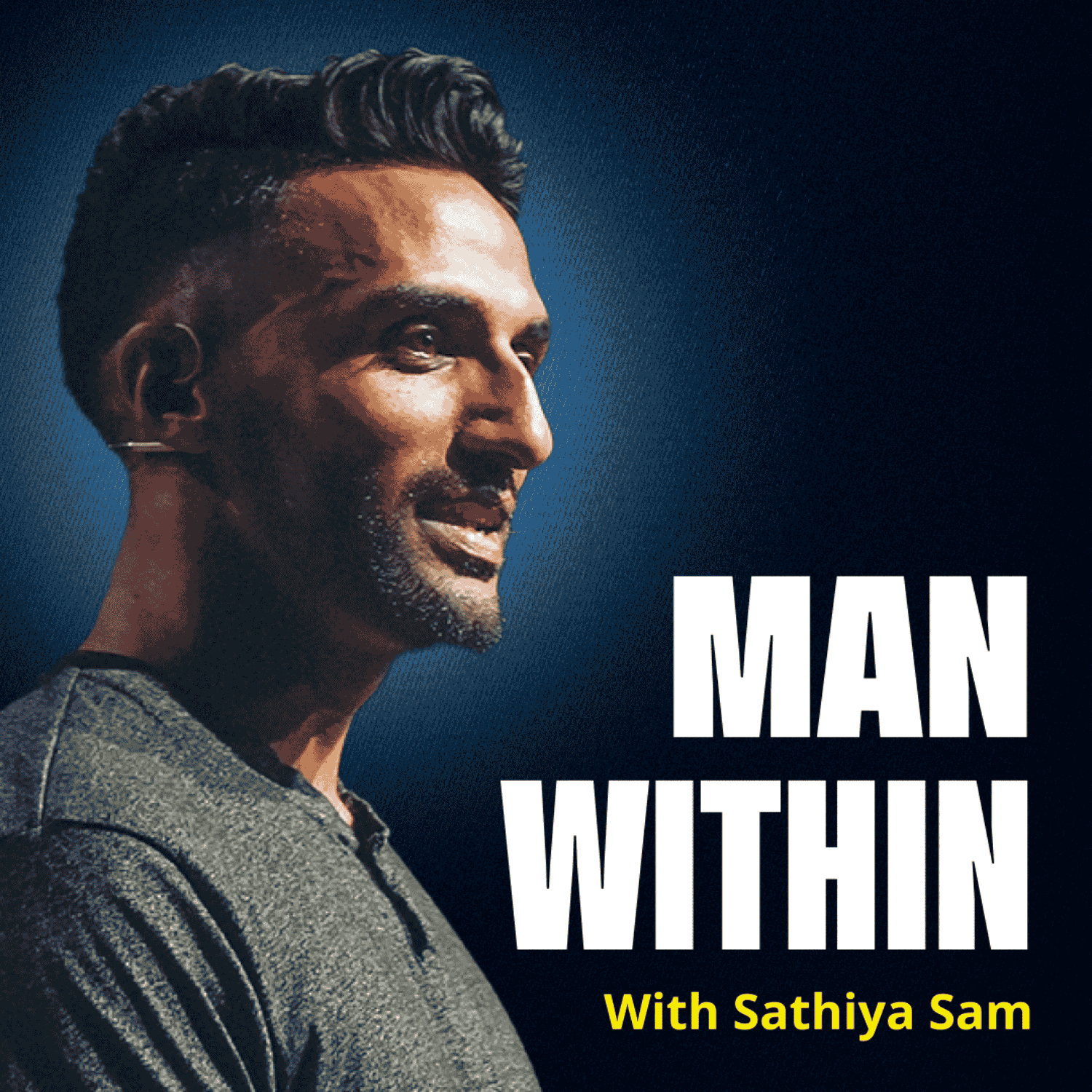
Man Within Podcast
Sathiya Sam
Wild at Heart
John Eldredge
Transforming Trauma
The Complex Trauma Training Center
SheRecovery Podcast with Crystal Renaud Day
Crystal Renaud Day
United? We Pray
United? We Pray
Bare Marriage
Sheila Gregoire
Raising Boys & Girls
That Sounds Fun Network
Return to Heart
Tin Man Ministries